
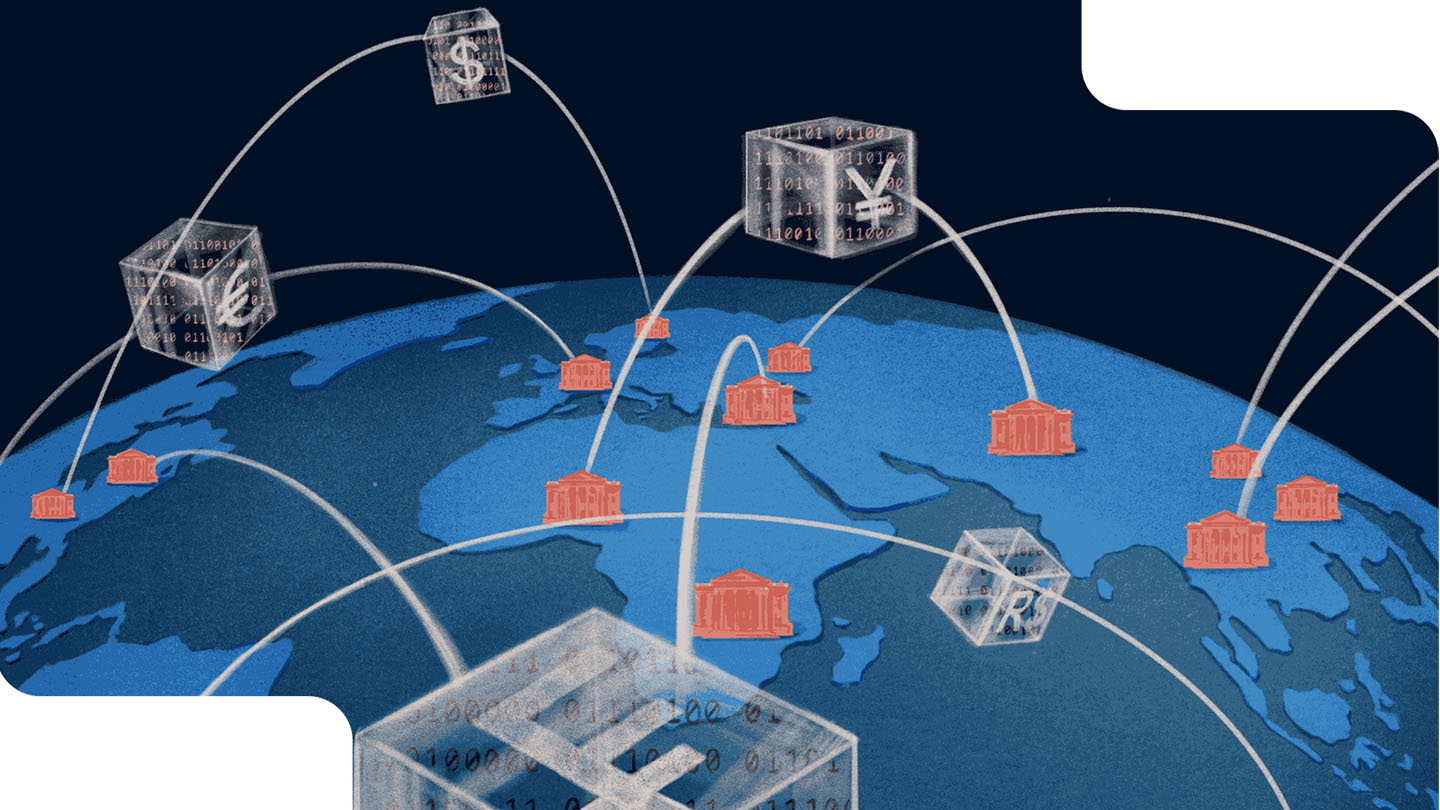
The rapid growth of digital technology has transformed the way businesses and individuals interact across international borders. Consumers can purchase products from another continent within minutes, companies can provide digital services worldwide, and freelancers can collaborate with clients from almost any country. While these developments have created remarkable opportunities, they have also exposed the limitations of traditional legal systems. Laws that were originally designed for local commerce often struggle to regulate transactions that occur across multiple jurisdictions simultaneously. As global digital trade continues to expand, lawmakers face the difficult task of creating legal frameworks that balance innovation with accountability.
Why Jurisdiction Has Become More Complicated?
One of the greatest challenges in cross border digital transactions is determining which country’s laws should apply when disputes arise. A buyer may live in one nation, the seller may operate in another, the payment processor could be located elsewhere, and the data might be stored on servers in several different countries. Traditional legal principles were developed when transactions usually took place within a single jurisdiction.
Courts must now determine where contracts were formed, where obligations should be fulfilled, and which legal system has authority over the dispute. These questions become increasingly complex as digital platforms continue to eliminate geographical barriers.
Bhumi Jankari Jharkhand And The Growth Of Digital Government Services
Government services have also embraced digital platforms, making public information more accessible to citizens. Online systems such as bhumi jankari Jharkhand demonstrate how governments are using technology to simplify access to land related information. Although these platforms primarily serve local users, they illustrate a broader trend toward digital governance.
As more official records become available online, governments must also consider international cybersecurity threats, data privacy obligations, and cross border access issues. Protecting sensitive public information requires cooperation between legal authorities as digital services become increasingly interconnected.
Consumer Protection Across Different Legal Systems
Consumers often assume they have the same legal protections regardless of where they make an online purchase. In reality, consumer rights vary significantly between countries. Return policies, warranty requirements, refund regulations, and dispute resolution procedures differ according to national legislation.
Businesses operating internationally must understand multiple legal frameworks while ensuring compliance with each market they serve. At the same time, consumers need greater awareness of the legal conditions governing international purchases before completing online transactions.
E Bhulekh UK Gov In Status And The Importance Of Secure Digital Records
Digital public records have become valuable assets for governments and citizens alike. Services like e bhulekh uk gov in status highlight the increasing reliance on online databases for accessing official information. Maintaining the integrity of these records requires strong cybersecurity measures and clear legal standards regarding data protection.
If unauthorized access or cyberattacks occur across national borders, determining legal responsibility becomes far more difficult. Countries must cooperate to investigate digital crimes while respecting each other’s legal procedures and sovereignty.
Data Privacy And International Compliance
Data has become one of the most valuable resources in the digital economy. Every online transaction generates personal information that may be collected, processed, and stored in different countries. Privacy regulations such as those governing personal information often conflict with one another, creating compliance challenges for international businesses.
Organizations must carefully manage customer data while meeting the legal requirements of every jurisdiction in which they operate. Failure to comply can result in financial penalties, legal disputes, and damage to consumer trust.
Kaveri Online 2.0 Login Reflects The Digital Transformation Of Public Administration
Modern digital governance continues to evolve through services such as kaveri online 2.0 login, which enable citizens to access administrative services more efficiently. These platforms reduce paperwork and improve convenience, but they also increase the importance of legal standards governing electronic authentication, digital signatures, and secure identity verification.
As digital government services expand beyond national boundaries through international users and cloud infrastructure, lawmakers must establish rules that ensure security while maintaining public confidence.
Intellectual Property In A Borderless Marketplace
Digital products, software, creative works, and online content can be distributed worldwide almost instantly. Unfortunately, copyright infringement and unauthorized distribution are equally capable of crossing international borders. Enforcing intellectual property rights therefore requires cooperation among governments, international organizations, and technology companies.
Legal systems must continue adapting to technological advancements that make copying and sharing digital content easier than ever before.
Digital Citizen Services Strengthen The Need For Modern Legal Frameworks
Programs such as kanya sumangala yojana online registration show how governments increasingly depend on digital platforms to deliver public services efficiently. As these systems expand, they must comply with evolving cybersecurity regulations while protecting citizen information from domestic and international threats.
The success of digital public services depends not only on technology but also on strong legal frameworks that establish accountability, transparency, and secure handling of personal data.
Conclusion
Cross border digital transactions continue to reshape global commerce at an unprecedented pace. While technology has removed many geographical barriers, legal systems still face significant challenges in determining jurisdiction, protecting consumer rights, securing digital records, safeguarding personal data, and enforcing intellectual property laws. Governments, businesses, and international organizations must work together to modernize legal frameworks that reflect the realities of today’s interconnected digital economy. Only through international cooperation and forward thinking legislation can traditional laws effectively support the future of global digital transactions.