
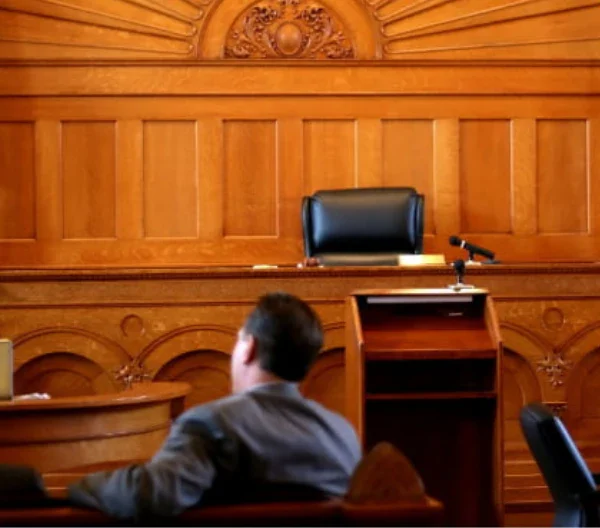
A lot of people still think cases turn on a dramatic objection or a killer cross-examination. They do not. More often, the real fight starts long before anyone speaks in open court, and it starts on the page. Counsel briefs shape first impressions, frame the legal dispute, and give judges a map before the hearing even begins.
That matters because modern litigation moves fast, and no judge wants to dig through a messy argument just to find your point. If your writing rambles, buries the rule, or sounds clever instead of clear, you lose ground early. You may still have the better law. You just made it harder to see.
Good briefing does something simple but rare: it respects the reader’s time while pressing the client’s position with force. That is where real advocacy lives. Not in puffed-up language. Not in fake drama. On the page.
If you work in or around court practice, this is the part you cannot fake. A sharp brief does not merely report law. It builds pressure, narrows doubt, and gives the court a reason to move your way.
Why briefs still decide more than courtroom drama
Trial scenes on television have done real damage to public understanding of legal work. They make it seem as though lawyers win by charisma alone. In real courtrooms, judges often walk in with the written record already shaping their view. That is not cynical. It is efficient.
A strong brief matters because it reaches the judge when the room is quiet. No interruptions. No posturing. No witness energy pulling attention sideways. You get one clean chance to frame the dispute in plain terms and show why the law lands on your side. That chance is gold.
Think about a motion to dismiss in a business dispute. One side floods the page with background and chest-thumping language. The other side opens with the issue, states the rule, and shows why the complaint fails even if every alleged fact is taken as true. Guess which version helps a busy judge do the job.
That is the hidden power of written advocacy. It creates order before the hearing ever begins.
And once a judge starts seeing your side as the cleaner path, you have momentum. Oral argument can sharpen that advantage, but it usually does not create it from scratch. The page got there first.
What judges want before they trust your argument
Judges do not want to be dazzled. They want to be oriented. That sounds almost too plain, but it explains why so many briefs miss the mark. Lawyers often write as if the goal is to sound impressive. The real goal is to become easy to trust.
Trust starts with structure. A judge should know the issue, the rule, and the reason you win without hunting through dense paragraphs. That means headings must carry weight. Topic sentences must do real work. Citations must support the point instead of piling up like decorative bricks.
Then comes honesty. A judge notices when you dodge the bad case, overstate the record, or pretend a weak fact does not exist. Smart advocacy does not hide the bruise. It explains why the bruise does not break the claim. That is a very different posture, and it reads like grown-up lawyering.
A grounded example proves the point. In a suppression motion, if the stop lasted too long, pretending the timeline is fuzzy will only annoy the court. Better to confront the timing, explain the lawful basis for the added detention, and show where the other side stretches the record.
That approach works because it lowers resistance. The judge stops bracing for spin and starts listening for reasoning. In court practice, that shift is half the battle.
How counsel briefs turn law into persuasion
The law alone rarely persuades. That statement bothers some lawyers, but it is true. Law must be arranged, paced, and tied to a believable story before it moves anyone. That is why counsel briefs matter so much: they turn raw authority into a path the court can actually follow.
Start with framing. If your issue sounds small, technical, or self-inflicted, you have already made life harder for yourself. If you frame it as a question of fairness, statutory fit, or proper limits on power, the judge sees the dispute through a sharper lens. Same law. Different force.
Then comes sequence. Lead with the point that wins, not the point you happen to like most. Lawyers sometimes bury their cleanest argument under a pile of background because they want to “set the stage.” Fine in theory. Bad in practice. The stage should not take longer than the scene.
A real-world example makes this plain. In a contract case, if the agreement has a merger clause that undercuts the other side’s fraud theory, that belongs near the front. Do not make the court wade through twelve paragraphs of negotiations first. Put the hinge where the door is.
Tone matters too. The best briefs sound calm while doing hard work. They do not beg. They do not shout. They show.
That is persuasion in legal writing: not louder, just cleaner.
The mistakes that quietly weaken otherwise good cases
Some briefs lose without looking terrible. That is the danger. They seem competent, even polished, but they bleed force line by line. The writer may never notice because the damage comes from habits, not obvious blunders.
One common mistake is writing for the partner, not the judge. You can spot it when the brief sounds like internal office talk dressed up for filing. Too much throat-clearing. Too much jargon. Too many sentences built to impress the person who edited the draft instead of the person deciding the motion.
Another mistake is treating every point as equally valuable. They are not. When you give five weak arguments the same space as one strong argument, you flatten your own case. A brief needs hierarchy. The judge should feel which point carries the weight.
Overcitation causes trouble too. Four cases can look weaker than one when the four all say roughly the same thing. Worse, citation strings can become a hiding place for thin analysis. Law is not wallpaper.
I have also seen good lawyers sabotage themselves with a nasty tone. That move feels satisfying for about ten minutes. Then it sits in the record sounding petty. Attack the argument, expose the gap, and keep your footing. Snark ages badly.
Bad writing can sink a decent claim. Quietly. That is why discipline matters.
Why timing, structure, and tone matter more than flair
Great legal writing is not flashy. It lands because it arrives at the right moment, in the right order, with the right emotional temperature. That sounds less glamorous than “brilliant advocacy,” but it wins more often.
Timing matters first because every filing joins an existing rhythm. Maybe the judge has read the motion late in the afternoon. Maybe the clerk has flagged a narrow issue. Maybe the hearing sits two days away. Your brief needs to help fast. If the opening page wastes time, you are already behind.
Structure comes next. The best briefs let the judge quote them mentally. Clean headings. Short paragraphs. Facts arranged by legal use, not by calendar alone. That last point is worth dwelling on. Chronology feels natural to the writer, but judges often need relevance before sequence. Give them the facts in the order that explains the rule.
Tone closes the deal. A measured voice tells the court you know where the strength lies and do not need theatrics to prop it up. That steadiness becomes even more valuable when the other side writes like a person slamming drawers in an empty kitchen.
Here is the strange truth: flair often signals insecurity. Control signals confidence.
That is why modern brief writing rewards discipline over ornament. You are not writing to perform. You are writing to move the court, one clear step at a time.
Conclusion
A strong brief does more than argue. It decides what the case feels like before anyone stands at the podium. That is the real edge. Judges remember who made the law easier to apply, who respected the record, and who wrote like a grown adult instead of a performer chasing applause.
The best lawyers know this, even if they do not say it out loud. They treat writing as front-line advocacy, not paperwork that sits beside the “real” work. That mindset changes everything. It changes how you gather facts, how you choose issues, and how you speak at hearing because the argument already has shape.
If you want better results, stop treating counsel briefs as a filing task and start treating them as the engine of the case. Read your next draft like a judge with twenty matters on the docket and no patience for fog. Cut the vanity. Lead with the hinge. Tell the truth cleanly.
Then do the one thing too many lawyers avoid: revise again.
Your next step is simple. Take one recent brief, mark every sentence that does not carry weight, and rebuild it with purpose. That exercise will teach you more than another year of bad habits.
What are counsel briefs in modern court practice?
Counsel briefs are written arguments lawyers file to explain facts, law, and requested relief. In modern courts, they often shape the judge’s first serious view of the dispute. A sharp brief gives structure, trims confusion, and builds trust before argument begins.
Why do judges care so much about written briefs?
Judges care because briefs save time and frame the legal path early. A well-built filing answers the real question, points to the controlling rule, and helps the court work efficiently. Clear writing signals reliability. Messy writing signals risk. That reaction is human.
How long should a good counsel brief usually be?
A good brief should be as long as the issue requires and no longer. Most judges prefer concise writing with real substance. If your strongest point appears late, the draft is probably too long. Length never rescues weak thinking. Sharp focus usually does.
What makes a counsel brief persuasive instead of merely informative?
Persuasive briefing does more than state rules. It frames the dispute, orders facts by legal value, and shows why the requested outcome fits both law and common sense. Information fills pages. Persuasion guides a judge toward a decision without visible strain or noise.
How can lawyers improve the opening of a brief?
Lawyers improve openings by leading with the issue, the rule, and the reason they win. Skip the warm-up. Skip the puffed-up adjectives. A strong opening makes the court feel oriented within seconds. That feeling matters because clarity earns attention before advocacy earns agreement.
Do counsel briefs matter more than oral argument today?
Often, yes. Oral argument still matters, but many judges arrive with a tentative view shaped by the papers. The brief usually does the heavy lifting first. Argument then tests pressure points, answers concerns, and sharpens what the writing already set in motion there.
What is the biggest mistake lawyers make in briefs?
The biggest mistake is trying to sound impressive instead of helpful. Judges do not need verbal fireworks. They need order, honesty, and reasoning. When lawyers bury the point, dodge weaknesses, or lean on attitude, they trade credibility for ego. That trade rarely pays.
How many authorities should a lawyer cite in one section?
Use enough authorities to prove the rule and no more. One on-point case often beats a crowded string of barely useful citations. Judges notice when lawyers hide weak analysis behind volume. Good briefing explains why the authority matters instead of stacking names mechanically.
Should a brief address bad facts and bad cases directly?
Yes, and sooner than most lawyers want. Addressing bad facts or bad cases shows confidence and keeps the court from thinking you hoped they would not notice. You do not need to panic about weak spots. You need to frame them before opponents weaponize them.
How does tone affect the success of a counsel brief?
Tone affects success because judges read people through writing. A calm, firm voice suggests control and honesty. A sneering or melodramatic voice suggests insecurity. Even when the law is strong, bad tone can poison reception. Respectful force almost always travels farther.
Are templates useful when drafting legal briefs?
Templates help with order, captions, and standard sections, but they should never think for you. The danger comes when a template starts dictating argument shape. Good lawyers borrow structure and build fresh reasoning. Lazy copying creates briefs that look acceptable yet feel dead.
What should a lawyer review before filing a brief?
Before filing, review the issue statement, headings, record cites, quoted language, and requested relief. Then read the draft once like an opponent and once like a busy judge. If the path feels foggy anywhere, fix that spot first. Confusion compounds fast.